Beyond the Annual Check-the-Box: Rethinking Ethics Training in Public Safety
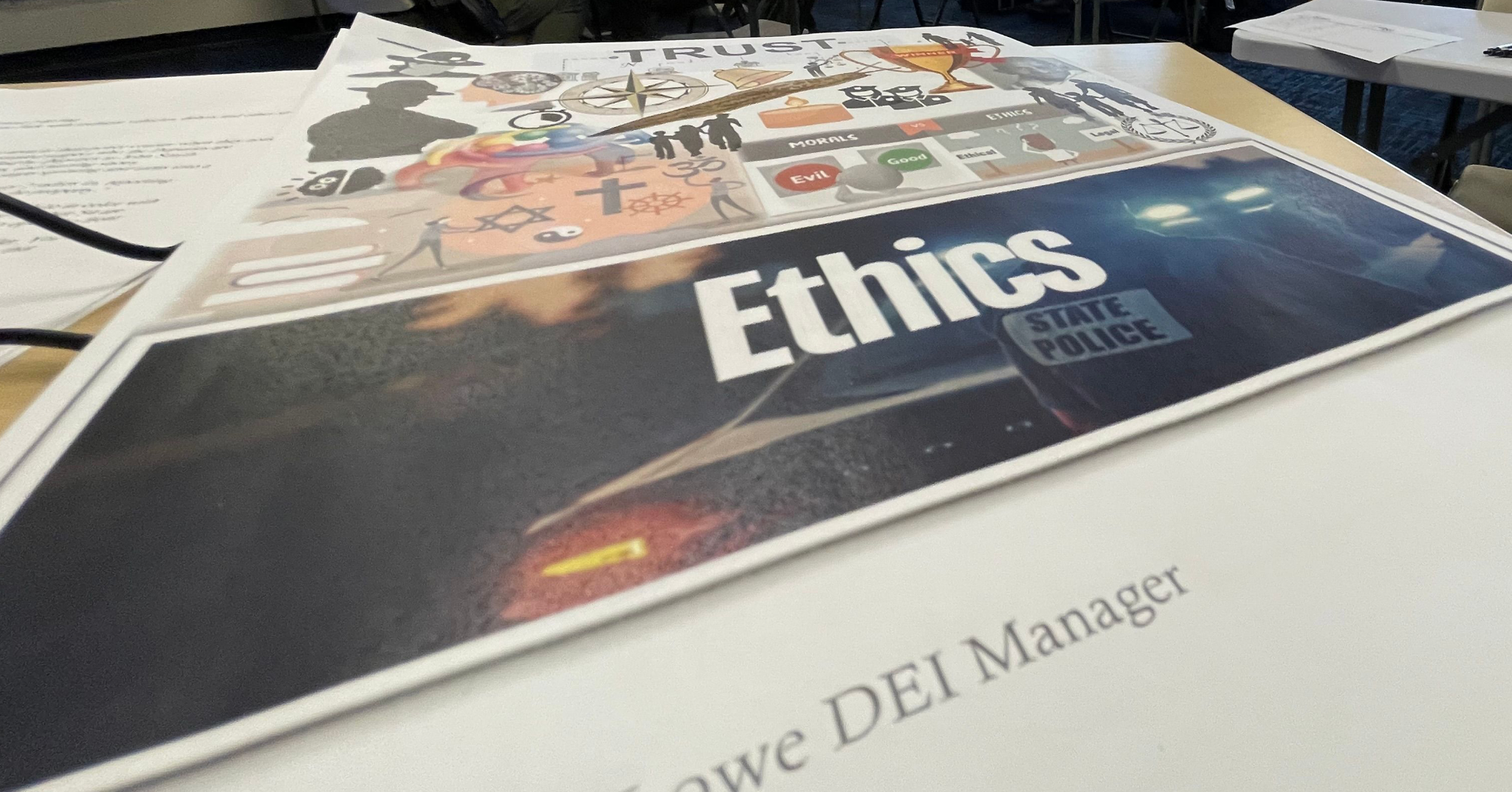
Across the country, public safety agencies are meeting required ethics-training mandates. Most comply through a familiar model: one scheduled class, often 60 minutes long, delivered once a year. The box is checked, attendance is recorded, and the organization moves forward believing the requirement has been satisfied.
But a more important question remains: Has integrity actually been strengthened? Is that model effective?
We will come back to this… but before we do, in posing those questions I’m reminded of Romans 12:2 where the apostle Paul writes: 2 Do not be conformed to this world, but be transformed by the renewal of your mind, that by testing you may discern what is the will of God, what is good and acceptable and perfect.
What is meant by a renewal of your mind? Why’s it need renewing? Well it’s attributed to Ralph Waldo Emerson who wrote"Thoughts are the seeds of action", meaning that every deliberate act originates as a thought, which then shapes habits, character, and destiny.
Later similar sentiments are communicated by James Allen in As a Man Thinketh, A man's mind may be likened to a garden, which may be intelligently cultivated or allowed to run wild; but whether cultivated or neglected, it must, and will, bring forth. If no useful seeds are put into it, then an abundance of useless weed seeds will fall therein, and will continue to produce their kind.
But if gardening isn’t your forte, most people can relate to having or not having money. So To answer the question on effectiveness of existing ethics trainings, it may help to think about ethics the way we think about our bank account.
Every officer, dispatcher, firefighter, and public safety professional operates with what we might call an Integrity Bank. Each decision, each stressful encounter, each moment of fatigue, frustration, or temptation represents a transaction. Some transactions are small withdrawals ie cutting a procedural corner, submitting a light report, allowing cynicism to creep into decision-making. Others are major withdrawals… moments of misconduct, dishonesty, or ethical compromise that can permanently damage careers, agencies, and communities.
The work itself guarantees that withdrawals will happen. Public safety is a profession of constant pressure, ambiguity, and human conflict. The question is not whether withdrawals occur; the question is whether we have made sufficient deposits to cover the transactions.And this is where the traditional once-a-year, 60-minute ethics training model deserves evaluation.
Imagine relying on a single annual paycheck to cover all expenses for the entire year. No weekly income. No monthly deposits. Just one lump sum expected to last through every bill, emergency, and unexpected cost. Few of us would consider that financially responsible, yet that is precisely how most organizations approach ethics development.
A single annual session, “should you take the free cup of coffee?”, no matter how well delivered, functions as a one-time lump-sum deposit into the Integrity Bank. At best it may temporarily raise awareness, spark reflection, or reinforce policy. But the daily operational reality quickly begins drawing down that balance. Stressful calls, organizational frustrations, exposure to trauma, fatigue, peer pressure, and operational shortcuts all become routine withdrawals. That doesn’t even include the normal day to day stressors of life outside or work, spouses, parenting, family, or politics. By mid-year, or often much sooner, the effects of that single training deposit have largely faded.
This may not be a failure of the training itself (although many are terrible); it more a limitation of the frequency or should I say infrequent model.
Integrity, like any professional skill, is perishable. It requires reinforcement, reminders, and repeated engagement. We do not maintain firearms proficiency, defensive tactics readiness, or emergency response capabilities through a single annual exposure. We train repeatedly because we understand performance under pressure reflects what has been reinforced most recently and most consistently. Those training may also require competency or qualifications checkpoints that exceed merely just spending time sending rounds down range.
Why’s Ethics different? An officer is statistically far more likely to lose a career to an integrity failure than to lose their life to a violent assault yet we often train firearms and defensive tactics far more often.
The solution is not necessarily longer classes or more complex curriculum. What if the more powerful shift is simply more frequent, smaller deposit?
Consider the impact of small but consistent reinforcement practices:
• A 60-second oath or integrity reflection at the beginning of each shift.
One minute that reminds personnel who they are, what authority they carry, and who they serve. Over the course of a year, that single minute becomes hours of reinforcement—far exceeding the traditional annual exposure. (EST 173-260 minutes a annually)
• A five-minute weekly ethics briefing.A short scenario, a leadership reflection, or a discussion prompt that keeps ethical decision-making active in the professional mindset rather than stored away in last year’s training memory. (EST 260 mins annually)
• A ten-minute monthly video or micro-training. (120 mins annually)
Short, focused content addressing real dilemmas officers face: discretion, peer influence, report integrity, use-of-authority decisions, or managing cumulative stress. Small deposits, consistently delivered, steadily strengthen the account balance. At minimum doubling the overall annual deposits in perhaps a more effective distribution.
None of these require large training budgets, massive OT, or even complex scheduling. What they require is a mindset shift from viewing ethics training as a requirement to complete to seeing it as a capacity to maintain.
Because the reality is clear: ethical erosion rarely happens in a single catastrophic moment. It happens gradually through normalization of small shortcuts, quiet rationalizations, fatigue-based decisions, and the slow depletion of our internal reserves. When the Integrity Bank runs low, individuals become more vulnerable to decisions they would never have considered when their balance was strong.
And when overdraft occurs in public safety, the consequences are rarely administrative alone. They can cost people their careers, their freedom, their safety, and in some cases, their lives. Communities lose trust. Agencies lose credibility. Individuals lose the futures and parts of their identity they spent years building.
Preventing those outcomes requires more than policy statements and annual compliance training. It requires intentional, repeated investment in the ethical readiness of the workforce.
Leaders should be asking a simple but powerful question:
If the work demands daily ethical withdrawals, why are we making deposits only once a year?
A 60-minute annual course may meet the minimum standards, but more frequent reinforcement builds the resilience law enforcement roles demand. Small, consistent deposits daily, weekly, or monthly can create a steady balance that helps personnel navigate the complex moral terrain of the profession with clarity and confidence.
Ethics is not maintained by a single conversation. It is sustained by many conversations, repeated often enough that integrity remains operational, not theoretical.
When agencies begin treating ethics the way they treat every other mission-critical capability instead of treated like an office holiday party, it becomes something to practice, reinforce, and continuously strengthen.
That model moves from compliance to true professional readiness or character development. And in a profession built on public trust, character is everything.