The Discipline Behind the Badge: How Character, Emotional Regulation, and Ethical Judgment Sustain High Performance
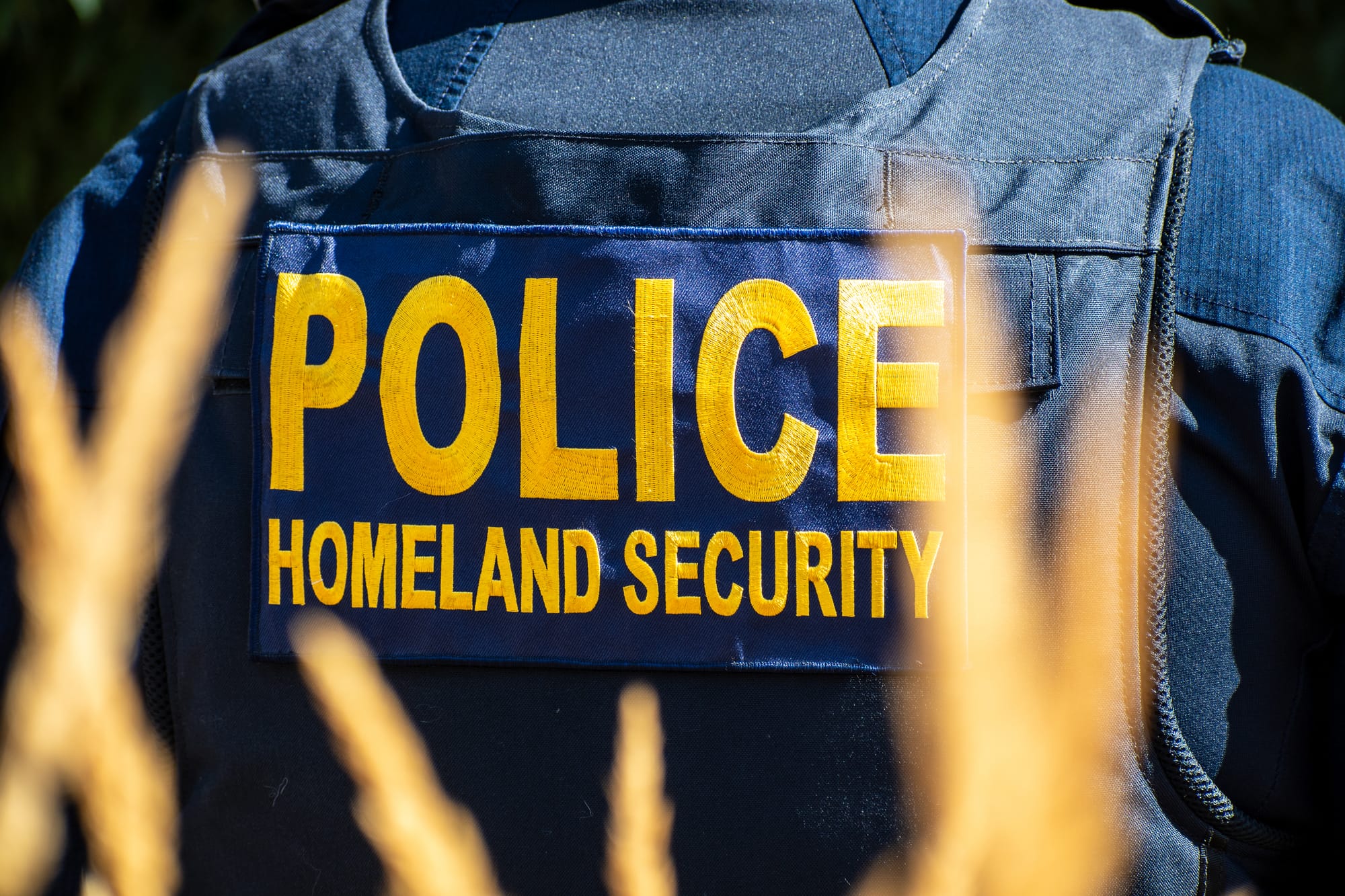
There is no shortage of ongoing tactical training in law enforcement ie defensive tactics, range days, high-risk scenario work. Those life saving/protecting investments matter… AND
What is often consistently undervalued are the same sustained investments in emotional intelligence, ethical decision-making, and impartial policing, the very capabilities that protect the longevity of high-performing officers and the agency’s trust and legitimacy.
Here’s what the data tells us:
Critical incidents like Line-of-duty deaths, are always tragic… and statistically represent a relatively small proportion of total career losses in policing when compared to separations tied to ethical failures, professional standards violations, burnout, and loss of public trust (Federal Bureau of Investigation, 2023; Bureau of Justice Statistics, 2022).
Meta-analyses of police use-of-force incidents consistently show that decision-making under stress, emotional regulation, and perception, not just tactical skill, are central drivers of policing outcomes(Nix & Shjarback, 2021; Klinger, 2004).
At the same time, research on emotional intelligence in policing links higher EI with better judgment, improved de-escalation, reduced complaints, and greater career resilience (Papazoglou & Andersen, 2014; Arble et al., 2018).
Yet we still train ethics, bias, and emotional regulation as one-offs… boxes to check and not as the skills needed to survive stop to stop, day to day, and year after year.
A tenured LT. from a pretty rough area of my state with no shortage of OIS’ once told my employee following a DEI training, despite the challenges of that area, “I’ve needed Teddy bears a lot more often than I’ve needed by weapon”.
The hard truth for leaders:
Training doesn’t have to be an either or, it should be a yes and… Most officers don’t lose their careers to a bad guys’ bullets. It’s more common and likely to lose the battles with unmanaged stress, ethical drift, poor judgment, and moral injury.
Tactical excellence keeps officers alive during the most dynamic critical incidents. Ironically, it’s the investments into character, communication, over all moral fitness that keeps them credible, employable, and trusted over the course of their entire career.
These aren’t just “soft skills”, they’re essential ingredients to high-performance.
References
Arble, E., Daugherty, A. M., & Arnetz, B. B. (2018). Models of first responder coping: Police officers as a unique population. Stress and Health, 34(5), 612–621.
Bureau of Justice Statistics. (2022). National Law Enforcement Accountability Database (NLEAD) overview. U.S. Department of Justice.
Federal Bureau of Investigation. (2023). Law Enforcement Officers Killed and Assaulted (LEOKA) report. U.S. Department of Justice.
Klinger, D. A. (2004). Environment and organization: Reviving a perspective on the police. The ANNALS of the American Academy of Political and Social Science, 593(1), 119–136.
Nix, J., & Shjarback, J. A. (2021). Factors associated with police shooting mortality: A focus on decision-making under threat. Justice Quarterly, 38(6), 1137–1162.
Papazoglou, K., & Andersen, J. P. (2014). A guide to utilizing police training as a tool to promote resilience and improve health outcomes. Traumatology, 20(2), 103–111.
Kenny Lowe
Founder, Leaven Legacy LLC
Kenny@LeavenLegacy.com